Root Canal Beverly Hills: How Endodontic Care Protects Your Teeth
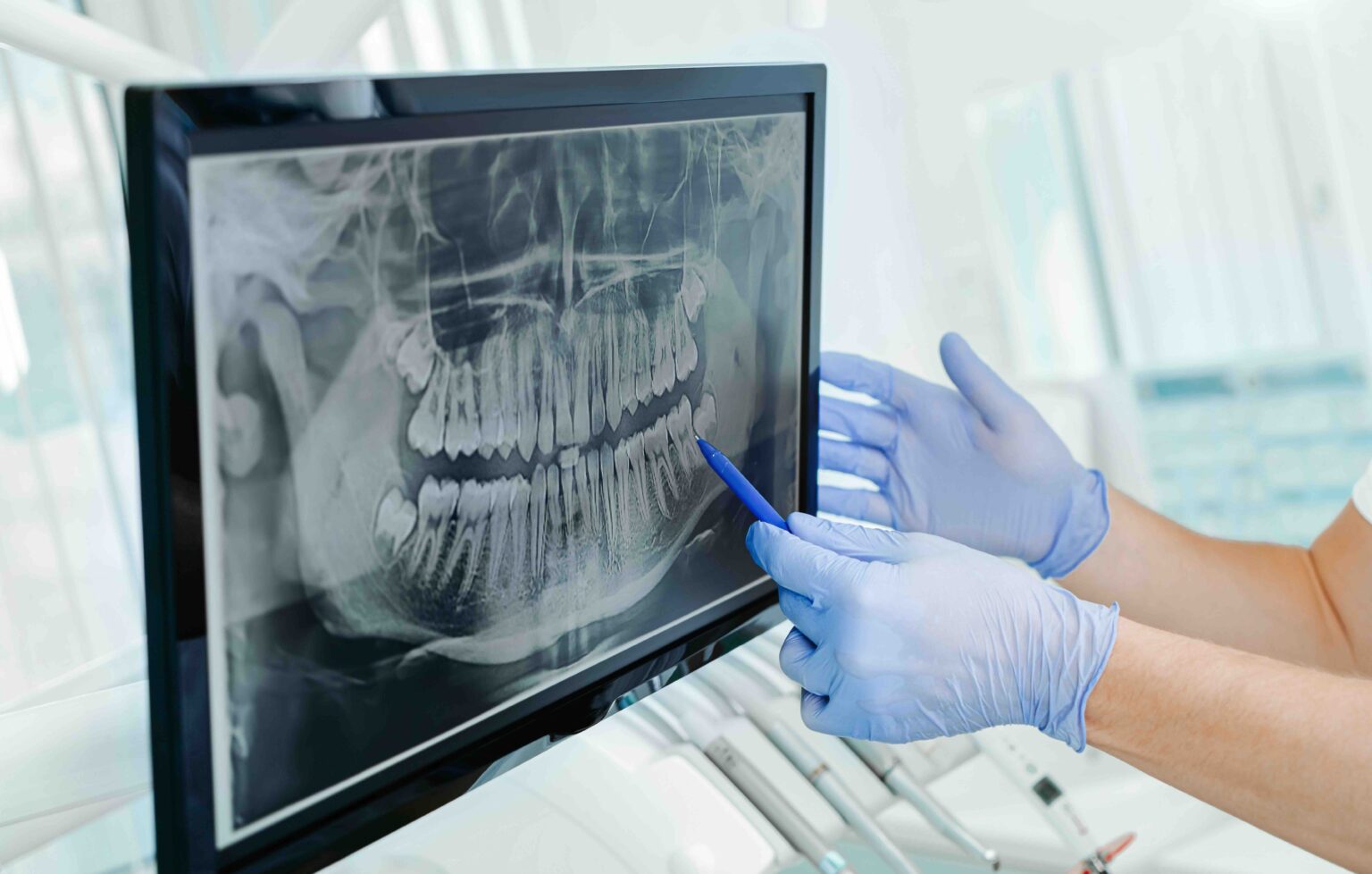

A root canal has a public relations problem. People hear the phrase and picture pain, long appointments, and a tooth that somehow feels lesser afterward. In practice, modern endodontic care is usually far more straightforward than patients expect. More importantly, it is often the treatment that keeps a natural tooth in service for many years, sometimes for decades.
That distinction matters. Once a natural tooth is removed, replacing it is possible, but it is never the same as preserving the original structure. Even an excellent implant or bridge solves a different problem. It does not restore the exact ligament support, sensation, or native tooth anatomy you were born with. Endodontic treatment exists to give an injured or infected tooth a chance to remain functional, comfortable, and stable.
In a place like Beverly Hills, dental decisions also tend to carry an added layer of scrutiny. Patients often care deeply about aesthetics, timeline, comfort, and how treatment fits into work and social life. Those are valid concerns. The good news is that root canal therapy, when properly diagnosed and performed, can protect both oral health and appearance. A well-treated tooth can support a beautiful smile without drawing attention to itself.
What a root canal actually treats
At the center of every tooth is a space that contains soft tissue, commonly called the pulp. This tissue includes nerves, blood vessels, and connective material that help the tooth develop. Once a tooth is fully formed, it does not rely on the pulp to stay anchored and useful. That is why a tooth can continue functioning after root canal treatment.
The need for treatment usually starts when the pulp becomes inflamed, infected, or irreversibly damaged. The most common reasons are deep decay, a large crack, repeated dental procedures on the same tooth, trauma, or a blow that injures the nerve even without obvious fracture. I have seen patients who had a basketball injury in their teens and only years later developed discoloration or a silent abscess. Teeth can be surprisingly resilient, but they also keep score.
When the inner tissue breaks down, bacteria can multiply inside the canal system and eventually spread toward the tip of the root and the surrounding bone. That process may cause severe pain, but not always. Some of the most infected teeth are not the most dramatic. A patient may come in with only mild pressure or an occasional bad taste, while an X-ray shows a clear area of bone loss at the root tip. Others arrive unable to sleep because a single molar reacts sharply to heat and throbs for hours afterward.
The purpose of a root canal is to remove diseased tissue and bacteria from inside the tooth, disinfect the space as thoroughly as possible, and seal it to reduce the chance of reinfection. It is not simply about “killing the nerve.” It is about preserving the tooth by treating the source of inflammation or infection at its core.
Why saving the natural tooth is usually the better path
There are times when a tooth cannot be predictably saved. A vertical root fracture, severe structural breakdown below the gumline, or advanced periodontal disease can make extraction the more realistic option. But in many cases, if a tooth is restorable, preservation is the smartest move.
Natural teeth distribute biting forces in a very efficient way. They help maintain alignment, preserve bone through normal function, and support the subtle mechanics of chewing. Once a tooth is lost, neighboring teeth can drift, opposing teeth can over-erupt, and a chain reaction begins. Restorative dentistry can manage those changes, but the treatment becomes broader, slower, and usually more expensive.
There is also the simple issue of predictability. Root canal therapy followed by the right restoration, often a crown on a back tooth, has a strong track record when the case is selected well. The result depends less on hype and more on fundamentals: sound diagnosis, careful technique, and a good seal. A tooth does not have to be “perfect” to serve you well. It has to be healthy enough, structurally protected, and monitored over time.
For patients searching for Root Canal Beverly Hills care, this often comes down to a practical question: do you want to replace a tooth, or do you want to keep it if it can be kept safely? Most people, once the options are explained clearly, choose to preserve what nature gave them.
The symptoms people notice, and the ones they miss
Not every tooth that needs endodontic treatment announces itself loudly. Some do. Others whisper.
A classic pattern is lingering pain with hot or cold foods. If iced water produces a sharp response that disappears within a second or two, that may be sensitivity but not necessarily a root canal problem. If heat triggers deep aching that lingers for several minutes, that is more concerning. Spontaneous pain, especially pain that wakes someone at night, often points toward irreversible pulp inflammation.
Chewing tenderness is another frequent sign, particularly if the ligament around the root is inflamed. Patients often describe it as, “It feels high when I bite,” even when the tooth is not actually higher than the others. Swelling of the gum, a small pimple-like bump near the tooth, facial fullness, or a foul taste can signal drainage from an infection.
Then there are the quieter cases. A front tooth may slowly turn gray after old trauma. A molar with a large filling may stop reacting to cold altogether, not because it is healthy, but because the nerve has died. Sometimes the diagnosis starts with a routine exam and a radiograph rather than a symptom.
This is one reason delayed care can be deceptive. Pain may decrease after the nerve dies, and patients understandably assume the problem resolved. What actually happened is that the inner tissue lost vitality. Infection may continue in the bone even though the sharp pain faded. That false calm can last weeks, months, or longer.
How diagnosis really works
Good endodontic treatment begins with good detective work. A clinician should not recommend a root canal based on a single clue. The most reliable diagnosis comes from combining the patient’s symptoms with clinical testing, radiographs, and the condition of the tooth itself.
Cold testing is common because it helps determine whether the pulp is responsive and whether the response is normal, exaggerated, or absent. Tapping on the tooth checks inflammation around the root. Biting tests can help reveal cracks. Periodontal measurements show whether the problem may involve the supporting structures rather than the pulp alone. Standard dental X-rays often provide enough information, though certain cases benefit from three-dimensional imaging, especially when anatomy is complex or previous treatment has failed.
One point that deserves emphasis is that referred pain is real. Patients often point to the wrong tooth. A lower molar can create pain that seems to radiate toward the ear or jaw. An upper tooth may feel like sinus pressure. That is why haste can cause mistakes. The tooth that hurts when you touch it is not always the tooth that started the problem.
In experienced hands, the Root Canal Beverly Hills process is methodical. That is reassuring, particularly for anxious patients who worry they will be pushed into treatment too quickly. Thoughtful diagnosis is not a luxury in endodontics. It is the foundation.
What happens during modern root canal treatment
The actual procedure is usually less dramatic than the anticipation. Once the tooth is numb, most patients are comfortable throughout the appointment. Profound anesthesia is the standard to aim for, and if a tooth is especially inflamed, an experienced clinician can use supplemental techniques to improve comfort.
A protective sheet called a rubber dam is typically placed around the tooth. Patients sometimes ask about it because it feels unfamiliar, but it serves an important purpose. It isolates the tooth from saliva, improves visibility, and helps maintain a cleaner working field. For endodontic treatment, that control matters.
The dentist or endodontist creates a small access opening to reach the canal system, removes inflamed or infected tissue, and shapes the canals with fine instruments while using irrigating solutions to flush debris and reduce bacteria. This stage requires patience because root canals are not identical. A front tooth may be comparatively simple. A molar can have multiple canals with curves, narrow branches, and anatomy that is easy to miss if the operator is rushed.
After cleaning and shaping, the canals are filled with a biocompatible material, commonly gutta-percha, along with sealer to help close the space. The access opening is then sealed, either temporarily or permanently depending on the treatment plan. Many posterior teeth, especially those with large existing fillings, need a crown afterward to protect against fracture. A root canal saves the tooth biologically. The final restoration protects it mechanically.
The number of visits depends on the situation. Many root canals are completed in one appointment. Some are better managed over two visits, especially if there is active drainage, unusual anatomy, significant infection, or uncertainty about symptoms. Efficiency has value, but so does judgment. Fast is not the same as appropriate.
Why specialist care can make a difference
General dentists perform many root canals very well, particularly on straightforward teeth. Endodontists, however, focus their practice on diagnosing tooth pain and treating the inside of the tooth. That added training tends to matter most when the case is difficult, the anatomy is complex, symptoms are unclear, or a previous root canal is failing.
A molar with calcified canals in a patient who has had multiple crowns and limited opening is not the same case as a single straight canal in a front tooth. Retreatment is another category entirely. Removing old filling material, locating missed anatomy, navigating posts, and repairing procedural complications require a specific skill set and specialized equipment.
Patients looking for Root Canal Beverly Hills providers often ask whether specialist care is worth it. My answer is case-dependent. If the tooth is central to your bite, has a large investment in surrounding restorative work, or presents any diagnostic doubt, specialist evaluation can be very worthwhile. The cost difference may be modest compared with the cost of failure and retreatment later.
The fear factor, and what pain control looks like now
Most root canal anxiety is inherited from old stories. Dentistry has changed. Local anesthetics are better, imaging is better, instruments are Root Canal Beverly Hills more refined, and clinicians are far more attentive to patient comfort than they were a generation ago.
That does not mean every case feels effortless. A “hot” tooth with severe inflammation can be more challenging to numb fully, and some patients are highly anxious before they ever sit down. But those realities can be managed. Clear communication helps. So does scheduling enough time rather than squeezing a difficult case into a rushed slot at the end of the day.
For many patients, the discomfort that follows treatment is milder than the pain that brought them in. Tenderness for a few days, especially when chewing, is common because the ligament around the root may have been inflamed before treatment even began. Most people do well with standard pain control measures recommended by their dentist. Severe worsening pain or swelling after treatment is not typical and deserves follow-up.
Here are a few expectations I routinely set with patients so they are not caught off guard:
- Numbness usually lasts a few hours, depending on the tooth and anesthetic used.
- Mild soreness when biting can persist for several days, sometimes a bit longer if the tooth was badly infected.
- A back tooth often needs a crown after the root canal to reduce fracture risk.
- If swelling increases, the bite feels dramatically off, or pain escalates instead of easing, call the office promptly.
Patients tend to handle treatment better when the experience is demystified. Fear feeds on vagueness.
Aesthetic concerns, especially in visible areas
In Beverly Hills, it is not unusual for a patient’s first question to be, “Will the tooth look different?” That is a fair concern, especially for front teeth.
A root canal itself does not automatically make a tooth dark. Discoloration is more often related to the original trauma, bleeding inside the tooth, old filling materials, or changes that occurred before treatment. That said, a tooth that has lost vitality can change color over time. When it does, there are options. Internal bleaching may help in selected cases, and restorative solutions such as bonding or veneers can address stubborn discoloration where appropriate.
The more immediate cosmetic issue is often preserving the existing crown, veneer, or visible enamel while still gaining access for treatment. This is where planning matters. Access can sometimes be made from the back side of a front tooth, minimizing visible impact. If a crown is already present, the route and repair strategy should be discussed before treatment starts.
A tooth can be both healthy and attractive after endodontic care. The key is coordination between endodontic treatment and final restoration. Biological success and cosmetic success are not competing goals when the case is planned well.
The restoration after the root canal is not an afterthought
One of the most common misunderstandings is that the root canal itself finishes the job. It does not. Once the infection or inflamed pulp is treated, the tooth still needs to withstand daily function. That is where restoration comes in.
Back teeth take heavy chewing forces. If a molar already had a large filling, removing additional tooth structure for access can increase fracture risk. In many such cases, a crown is recommended because it wraps and protects the remaining tooth. Front teeth do not always need crowns after root canal therapy, particularly if much of the natural structure remains intact, but each case should be judged individually.
I have seen technically good root canals fail in practical terms because the final restoration was delayed too long. Temporary fillings leak. Thin cusps crack. Patients feel fine and assume the urgency is over, then return months later with a split tooth that could have been protected. The sequence matters: diagnose properly, treat the inside, seal the outside.
When a tooth needs retreatment
Not every root canal remains successful forever. Teeth live in a hostile environment. Fillings wear, crowns leak, cracks develop, and complex anatomy can harbor bacteria despite careful treatment. A previous root canal may need retreatment if symptoms return, if a new lesion appears at the root tip, or if the tooth never healed fully in the first place.
Retreatment can be highly worthwhile, but it demands honest case selection. Sometimes the issue is as simple as a missing canal that was not located years earlier. Sometimes the challenge is more substantial, such as a broken instrument, a perforation, or a crown that must be navigated without compromising the tooth.
Surgical endodontics, often called apicoectomy, is another option in selected situations. Instead of re-entering through the crown, the surgeon approaches the root tip directly through the gum and bone. This is not the first-line choice for most cases, but it can preserve a tooth when conventional retreatment is unlikely to solve the problem alone.
How timing affects the outcome
Teeth rarely improve by waiting when the pulp is irreversibly inflamed or infected. Early care usually means more options, less destruction, and an easier recovery. Delay increases the chance of abscess formation, swelling, bone loss, and structural breakdown that can push a tooth from salvageable to questionable.
That does not mean every sensitive tooth needs urgent endodontics. Sensitivity has many causes, including exposed roots, recent whitening, grinding, or a filling that needs adjustment. The point is not to panic. It is to evaluate symptoms before they escalate. A well-timed exam can separate a manageable problem from a genuine emergency.
Patients balancing travel, work, or public commitments often try to postpone treatment until a better week. Sometimes that works out. Sometimes it ends with an emergency visit before a flight or swelling on a weekend. Dentistry does not always respect calendars. When a diagnosis is clear, treatment sooner is usually easier than treatment later.
Choosing the right provider in Beverly Hills
The phrase Root Canal Beverly Hills will lead you to many offices, but location and branding are not enough. What matters is the quality of diagnosis, the clarity of communication, and the thought given to long-term restoration of the tooth.
These are the questions worth asking before you commit:
- Is the diagnosis clear, and were alternatives explained?
- Will a general dentist or an endodontist perform the procedure?
- What restoration will protect the tooth afterward, and when should it be completed?
- If the case is complex, is advanced imaging or specialist referral recommended?
- What should you expect in recovery, and who handles follow-up if symptoms persist?
A polished office does not guarantee careful endodontics, just as a modest setting does not rule it out. Look for precision, patience, and a willingness to explain why the tooth can be saved, or why it cannot.
The bigger picture of protecting your teeth
Endodontic care is not glamorous, but it is one of the most tooth-preserving services in dentistry. It sits at the point where diagnosis, biology, and restorative planning all have to work together. When done well, it relieves pain, clears infection, and allows you to keep a tooth that might otherwise be lost.
That preservation has practical value every day. You chew normally. You maintain spacing. You avoid more extensive treatment. If the tooth is in the smile line, you also maintain continuity in appearance, which matters to many patients more than they initially admit.
A root canal is not a failure of dental health. It is often the treatment that prevents a bigger failure. If a tooth can be saved predictably, endodontic care gives it that chance. In many cases, that is the most conservative and most intelligent form of dentistry available.
Dental Group of Beverly Hills
8641 Wilshire Blvd, Suite 125
Beverly Hills, CA 90211
(310) 361-2835
FAQ About Root Canal Beverly Hills
What are the signs you need a root canal?
Persistent pain, lingering temperature sensitivity, or swelling can have several causes. A dentist can examine the tooth and decide whether root canal treatment is appropriate.
How much does a root canal usually cost in Beverly Hills CA?
Cost varies by tooth, complexity, insurance, and whether a permanent restoration is needed. Request an itemized estimate.
How long do root canals last?
A treated tooth can last many years with a suitable restoration and regular dental care. Its outlook depends on tooth condition, the seal, and follow-up care.