How to Prepare Before Visiting an Emergency Dentist Beverly Hills
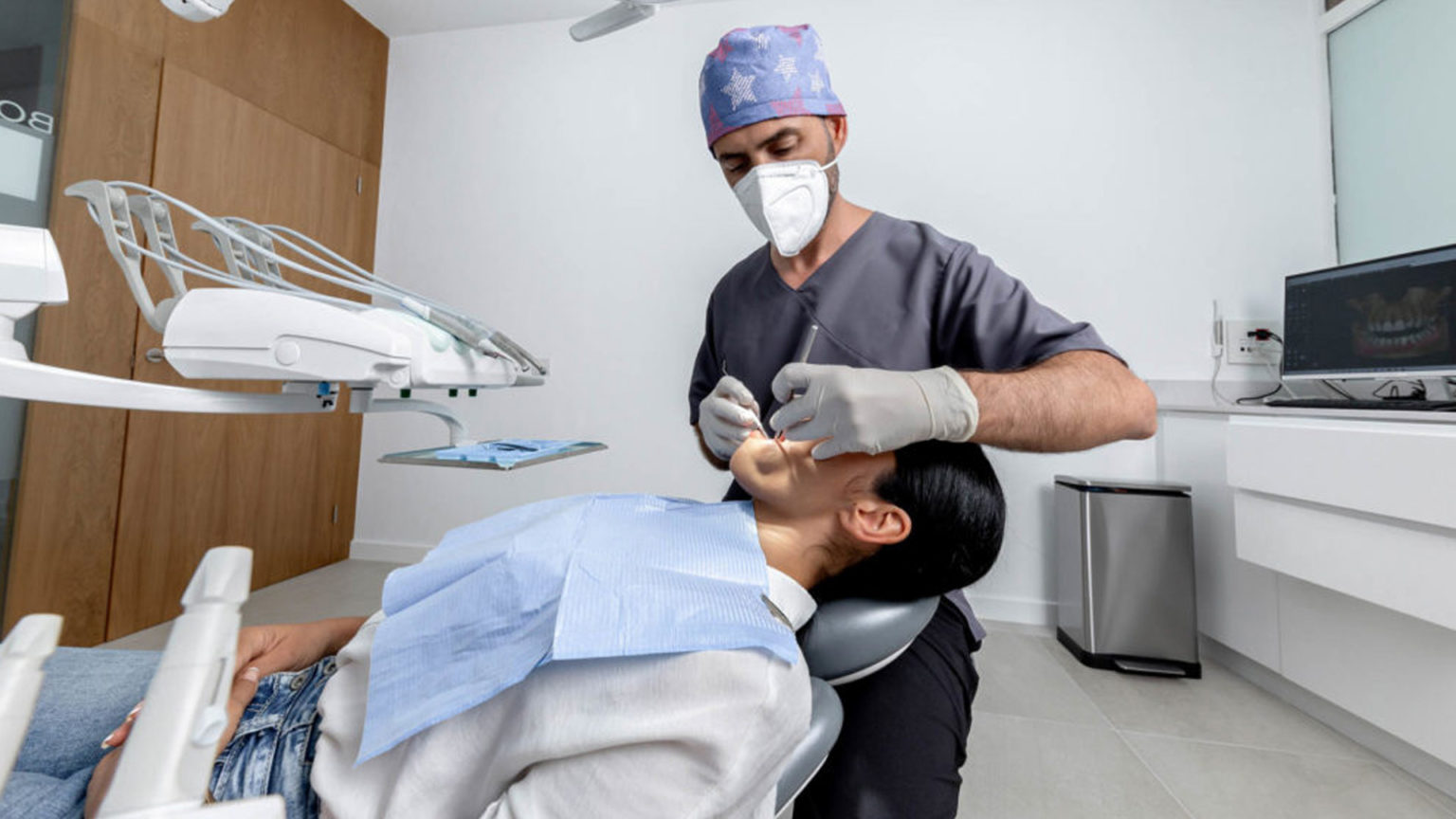

Dental emergencies rarely arrive at a convenient hour. A cracked molar during dinner, a crown that loosens before a flight, a sharp, pulsing ache that wakes you at 2 a.m., these situations have a way of making people feel rushed and scattered. The irony is that a few calm, practical steps before you leave home can make the visit smoother, faster, and often more effective.
If you are heading to an Emergency Dentist Beverly Hills, preparation is not about overthinking. It is about protecting the tooth if possible, reducing pain safely, gathering the details your dentist will need, and avoiding small mistakes that complicate treatment. I have seen patients walk in with a tooth fragment wrapped carefully in clean gauze, and that simple choice gave the dentist more options. I have also seen patients arrive after taking the wrong medication combination, or after applying aspirin directly to the gums, which often causes more irritation than relief.
The good news is that most people do not need special knowledge. They need a clear sense of what matters in the next thirty to sixty minutes.
Start by figuring out whether it is truly urgent
Not every dental problem needs same-day treatment, but many do. A minor chip without pain may be able to Emergency Dentist Beverly Hills wait a day or two. A knocked-out tooth, facial swelling, uncontrolled bleeding, severe pain, trauma to the jaw, or signs of infection usually deserve immediate attention. If you are unsure, call the office and describe what happened in plain language. Mention when the problem started, whether pain is constant or comes in waves, whether there is swelling, fever, bleeding, or trouble opening your mouth.
That phone call often shapes the entire appointment. A dentist can tell from your description whether they need to see you right away, whether you should preserve a tooth fragment, whether you should avoid eating beforehand, or whether your symptoms suggest something larger than a dental issue. Deep swelling under the jaw, difficulty swallowing, or shortness of breath can point to a medical emergency rather than a routine dental one. In that case, do not waste time trying to push through with a standard office visit.
One practical detail many patients overlook is timing. If you call early and explain that you have trauma or escalating swelling, a good emergency dental office may advise you on what to do before you even get there. That guidance can matter more than people realize.
What to do in the first few minutes at home
The first few minutes after a dental injury or sudden pain are usually the messiest, not just physically but mentally. People tend to pace, search online, and ask five people what to do. A better approach is to stabilize the situation.
If there is bleeding, use clean gauze and steady pressure. If a tooth has been knocked out, hold it by the crown, not the root. If it is dirty, rinse it gently with milk or saline if available, or clean water if that is all you have, but do not scrub it. If the tooth can be placed back into the socket easily and safely, that can help in some cases, but many people are not comfortable doing that, and forcing it is a bad idea. Keeping it moist is the key. Milk is often a practical option because it is less damaging to delicate root surface cells than letting the tooth dry out on a tissue or countertop.
With a cracked tooth or broken restoration, your goal is simpler. Save any pieces you can find, rinse your mouth gently with warm water, and avoid chewing on that side. If the pain is driven by exposed dentin or a sharp edge, even room temperature air can make the tooth feel alive in the worst way. Covering the area is sometimes possible with temporary dental material from a pharmacy, but only if you can do it lightly and cleanly. Emergency visits are not the time for improvised glue or household adhesives. Those create more work for the dentist and can irritate the surrounding tissue.
Cold compresses help for swelling and blunt trauma, especially in the first twenty-four hours. Ten to fifteen minutes on, then off, is usually enough. Pressing ice directly against the skin for a long stretch is not useful and can make things worse.
Pain control before the appointment
Pain changes people’s judgment. It narrows focus and makes every minute feel longer. That is why medication decisions before an emergency visit deserve some care.
For many dental emergencies, over-the-counter pain relievers can help, but they need to be taken correctly and with attention to your own health history. If you have been told to avoid ibuprofen or similar anti-inflammatory medication because of ulcers, kidney disease, certain blood thinners, pregnancy concerns, or other medical reasons, do not ignore that advice just because the tooth hurts. Acetaminophen may be safer for some patients, but it also has limits, particularly if you have liver disease or use other products that already contain it. The point is not to medicate aggressively. The point is to reduce pain enough to travel and think clearly.
One old home remedy still causes problems: placing aspirin directly on the gum near the aching tooth. It does not treat the source of the pain, and it can burn the tissue. The same goes for alcohol rinses strong enough to sting, clove oil used too liberally, or heating pads held against a swollen face for long periods. Swelling from infection often responds better to cold than heat, especially before you have been evaluated.
If you think you may need sedation or if the office mentioned sedation when you called, ask whether you should eat or drink beforehand. Patients sometimes assume a dental emergency means they should go in fasting. That is not always true, and going several hours without food while in pain can leave you shaky and dehydrated. It depends on the type of treatment anticipated.
Gather the details your dentist will ask for
Emergency dentistry moves quickly, but a few details can save valuable chair time. Most emergency appointments start with a compressed version of your dental and medical history, focused on what changes treatment decisions. When patients come prepared, the visit flows better.
The dentist will want to know what happened, when it happened, where the pain is, whether it radiates, what makes it worse, and whether anything relieves it. If the problem followed trauma, mention exactly how the injury occurred. Getting hit during a basketball game is different from biting down on an olive pit, and both are different from waking up with a swollen jaw and no obvious trigger.
The office also needs a current medication list, including blood thinners, diabetes medications, osteoporosis medications, and anything you already took for pain that day. Antibiotic allergies matter. So do details that patients sometimes dismiss, such as a recent sinus infection, an ongoing orthodontic treatment plan, a root canal done years ago on the same tooth, or a history of clenching and grinding. Those pieces of context can change what the X-ray findings mean.
If you have dental insurance, bring the card or have the information ready on your phone. That will not change whether you need urgent care, but it can speed up check-in and reduce confusion if follow-up treatment is needed. Beverly Hills practices vary, and emergency slots can move quickly, so anything that shortens administrative delays is useful.
What to bring with you
The best emergency visits are often the ones where the patient arrives with only what matters, nothing dramatic, nothing missing.
- A photo ID, insurance information if applicable, and a payment method
- A list of current medications, allergies, and major medical conditions
- Any tooth fragment, crown, bridge piece, aligner, retainer, or denture section involved
- A brief note with the time symptoms started and what you already took for pain
- A trusted companion if you are in severe pain, anxious, or may receive sedation
That last point deserves emphasis. Patients in pain often underestimate how foggy they are. If your face is swollen, you have not slept, or you are taking medication that makes you drowsy, having someone else drive is a sensible choice, not an overreaction.
Take a quick photo if swelling or trauma is visible
This sounds minor, but it is surprisingly helpful. If you have visible swelling, bruising, or a displaced tooth after an injury, take a quick photo before you leave. Faces change. Swelling can increase or decrease over the next few hours, and bruising often develops later. A photo gives the dentist a baseline.
It also helps if your symptoms are fluctuating. I once heard a patient describe severe swelling that had already begun to settle by the time they got to the office. The photo they showed made it immediately clear that the earlier swelling had been significant. That changed the urgency of the workup and helped guide the next steps.
Do not turn this into a documentation project. One or two clear photos in good light are enough.
Food, drink, and habits to avoid before you go
Before an emergency dental visit, what you avoid can matter as much as what you do. Chewing on the injured side is an obvious risk, but people also trigger more pain by testing the tooth over and over, pressing on it with their tongue, or rinsing aggressively. If something is loose, leave it alone as much as possible.
Very hot or very cold foods can worsen sensitivity in cracked or inflamed teeth. Sticky foods can pull off a temporary crown or wedge deeper into a broken area. Alcohol can interact poorly with medications and may worsen dehydration. Smoking or vaping can irritate injured tissues and complicate healing, especially if an extraction or emergency drainage becomes necessary.
A common mistake is drinking several cups of coffee to power through the pain and the commute. Caffeine can heighten jitters and, for some people, make pain feel more jagged. If you need something, choose water unless the office gave different instructions.
Special situations need slightly different preparation
Not every emergency follows the same script. A knocked-out permanent tooth is time-sensitive in a way that a lost filling is not. A child’s baby tooth injury is handled differently from an adult front tooth avulsion. Orthodontic emergencies bring their own set of concerns. The more specific the situation, the more useful your preparation becomes.
If a crown has come off and you can see the tooth underneath, keep the crown and bring it. Sometimes it can be recemented if it is intact and the underlying tooth is still suitable. If a filling falls out, the tooth may be sensitive but not always unstable. Temporary dental cement from a pharmacy can protect it for a short period if used correctly, though it is not a substitute for an exam.
If the emergency involves braces, a poking wire can sometimes be covered temporarily with orthodontic wax until you are seen. Do not cut wires blindly unless you have been instructed to do so and can do it safely.
For suspected infection, watch the bigger picture. Localized swelling near a tooth is one thing. Fever, malaise, rapidly spreading swelling, bad taste with drainage, and pain with swallowing suggest a more serious process. That is when calling an Emergency Dentist Beverly Hills quickly, and being ready to go, matters most.
A few questions worth asking on the phone
Patients are often so focused on pain that they forget they can ask useful questions before they leave. You do not need a long list. A few practical points can save frustration.
- Should I eat or drink before coming in?
- Can I take a specific pain reliever now, given the treatment you expect?
- Should I bring the tooth or crown in any particular way?
- Will I likely need someone to drive me home?
- What forms of payment or insurance do you accept for emergency care?
These questions are simple, but they address the issues that create the most last-minute trouble. They also help set expectations. Some emergency visits are mainly diagnostic and palliative, focused on pain relief and stabilization, with definitive treatment scheduled later. Others can be fully treated the same day. Knowing which kind of visit you are walking into changes how you prepare mentally and logistically.
Prepare for the possibility that the first visit is only the first step
This is one of the most useful mindset shifts for patients. Emergency care is about getting the problem under control, not always finishing every part of treatment in one sitting. Sometimes that means draining an abscess and prescribing a follow-up root canal or extraction. Sometimes it means smoothing a sharp fractured edge, placing a temporary restoration, or prescribing antibiotics when there are clear signs of infection, then planning definitive care once swelling settles.
Patients are often frustrated when they hear that a painful tooth cannot be “fully fixed” immediately. But from a clinical standpoint, staging treatment is often the safer and more predictable route. A badly cracked tooth may need imaging and a careful exam before anyone can say whether it is restorable. A swollen area may need acute management first, especially if local anesthesia is less effective because tissues are inflamed.
So prepare for a conversation, not just a procedure. Ask what the likely next step is, what warning signs to watch for overnight, and when you should return if symptoms worsen.
If anxiety is part of the emergency, say so early
Dental anxiety does not disappear just because the problem is urgent. In fact, urgency amplifies it. People who usually cope fine during routine cleanings may feel panicked when there is blood, swelling, or sudden severe pain. The office cannot help with that unless you tell them.
A simple statement works: “I am very anxious and I need you to explain things before you do them,” or “I tend to feel faint during dental work.” That gives the team a chance to pace communication, position you appropriately, and discuss options if sedation is available and suitable.
The same goes for a strong gag reflex, past trouble getting numb, or a history of jaw soreness when staying open for long periods. These are not side notes. They affect treatment.
Know what not to expect from online advice
People often search symptoms before an emergency appointment, and that is understandable. The problem is that online advice tends to flatten dental problems into broad categories that do not account for nuance. “Toothache” can mean nerve inflammation, a cracked cusp, a sinus-related issue, gum trauma, grinding-related stress, a failing root canal, or an abscess. Each one behaves differently. Home advice that helps one can aggravate another.
Use the internet for basic first aid, not diagnosis certainty. The point of an emergency visit is to determine what the pain actually represents, often with an exam and radiographs. A dull ache that becomes sharp when you bite down may suggest one thing. Lingering pain with heat may suggest another. Swelling above a previously treated tooth has its own implications. These distinctions matter, and guessing incorrectly can waste precious time.
What makes preparation especially important in Beverly Hills
A practice serving Beverly Hills often sees a wide mix of emergencies, from cosmetic restoration failures before major events to true acute infections and trauma. That means offices may be efficient, fast-moving, and accustomed to handling patients with busy schedules. Preparation helps you fit into that rhythm.
There is also a practical reality. Some patients are balancing work commitments, travel, or public-facing obligations and want to know not just how to stop the pain, but how soon swelling might improve or whether a temporary cosmetic fix is possible. Being ready with relevant context helps the dentist guide you honestly. If you have a presentation tomorrow and a visible front-tooth fracture today, say that upfront. If you are flying internationally in forty-eight hours with throbbing molar pain, mention it. Those details matter because they shape the treatment priorities.
That does not mean the dentist can rewrite biology. A nerve that is inflamed will not care about your calendar. But clear communication allows for better judgment, and better judgment is what good emergency care is built on.
The goal is simple, even if the situation is not
Before you head to an Emergency Dentist Beverly Hills, you do not need to solve the problem yourself. You need to preserve what can be preserved, reduce avoidable harm, and arrive ready to give the team a clean, accurate picture of what happened.
A calm rinse, the right pain medication, a saved tooth fragment, a quick phone call with the right questions, these are small actions, but they often shape the outcome more than patients realize. Emergencies feel chaotic because they are sudden. Preparation restores a little control, and in dentistry, that control can make all the difference between a rushed visit and a well-managed one.
Dental Group of Beverly Hills
8641 Wilshire Blvd #125, Beverly Hills, CA 90211, United States
Phone: +1 (310) 929-6335
FAQ About Emergency Dentist Beverly Hills
What is considered to be a dental emergency?
Severe tooth pain, a knocked-out permanent tooth, a significant tooth fracture, or suspected dental infection needs prompt professional assessment. Contact a dentist to describe the problem and arrange appropriate care. Trouble breathing or swallowing, uncontrolled bleeding, or major facial injury requires immediate emergency medical attention.
How to tell if tooth pain is serious?
Pain that is severe, persistent, or accompanied by fever, facial swelling, or a bad taste should be assessed promptly by a dentist. The cause cannot be confirmed from symptoms alone. If swelling affects breathing or swallowing, call 911 or go to an emergency department.
What do I do if I have a dental emergency and no dentist?
Call a nearby dental practice that accepts urgent patients and explain your symptoms, when they began, and any recent injury. Ask about the earliest available assessment and what information to bring. For life-threatening symptoms, seek emergency medical care immediately instead of waiting for a dental appointment.